
Understanding High Risk Car Insurance Policies
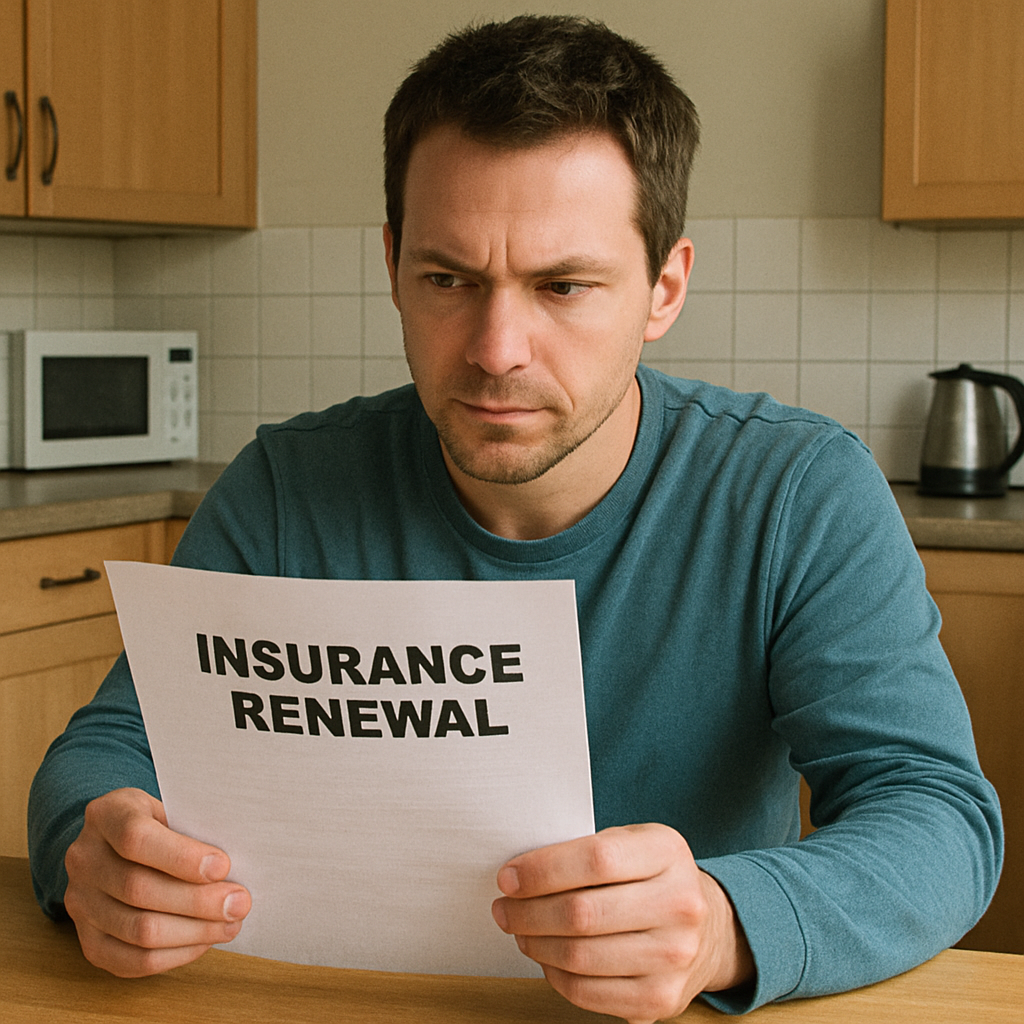
You opened your renewal letter and saw a number that made your heart sink. While being labeled a “high-risk” driver often feels like a judgment on your character, industry data shows it is simply a mathematical calculation. Think of it like a weather forecast: just as meteorologists predict rain based on atmospheric pressure, insurers use probability to estimate the likelihood of a future claim.
Fortunately, receiving a declination letter from a standard company doesn’t mean you are out of options. A specific segment of the industry, known as the “non-standard” market, exists solely to provide high risk car insurance to drivers facing these challenges. This coverage keeps you legal on the road today while you work toward the standard rates you want tomorrow.
Is Your Name on the High Risk car Insurance List? 5 Common Triggers That Move You Out of the Standard Market
Most drivers assume their rates only spike after a major crash, but insurers look for specific patterns rather than just single events. When underwriters review your application, they are predicting the future based on your past behavior. If your history suggests a high chance of filing frequent claims, you are moved into the high risk driver insurance category. This isn’t a personal judgment; it is simply a statistical calculation companies use to manage the potential cost of covering you.
What exactly sets off these alarms? While a minor ticket might be overlooked, specific serious incidents or a combination of smaller errors will immediately flag your account. These five major factors create the most significant motor vehicle report impact on premiums:
- DUI convictions
- Multiple at-fault accidents
- Reckless driving
- Poor credit history
- Serious speeding violations
It often surprises people that a credit score can influence insurance eligibility, but data shows that financial stress frequently correlates with higher claim rates. Recognizing which of these triggers applies to you is the first step toward fixing it. Now that you know why you need auto insurance for high risk drivers, you need to know where to find it when standard carriers turn you away.
The Difference Between Standard and Non-Standard Carriers: Where to Look When Big Names Say No
Finding coverage often feels impossible because the famous brands you see on TV usually focus on “preferred” or “standard” drivers with clean records. When you fall outside those guidelines, you enter the market for non-standard auto insurance carriers. These companies specialize in coverage for drivers with tickets, accidents, or credit issues. While the monthly premiums are higher to account for the increased risk, the actual protection is legally identical to a policy from a major household name. You aren’t buying “fake” insurance; you are simply buying from a specialist willing to take on your situation.
Tracking down these specialized providers requires looking beyond the usual advertisements. Some major brands own subsidiaries dedicated to this market, while others are smaller, regional agencies that don’t run national commercials. To find cheap insurance for high risk drivers, it is often best to work with an independent agent who can compare quotes from multiple high risk insurance companies at once rather than calling one carrier at a time. Once you secure a policy, you will likely need to officially prove that coverage to the state to reinstate your license.
Demystifying the SR-22 and FR-44: Why These ‘Digital Receipts’ Are Your Ticket Back to the Road
If the state suspended your license, they likely need a guarantee you are covered before letting you back on the road. This guarantee is technically called an SR-22 financial responsibility certificate. Contrary to common belief, this is not a separate insurance policy; think of it as a “digital receipt” or promise note that your carrier sends directly to the DMV. It proves you have active coverage today and, crucially, it alerts the state immediately if your policy lapses, which usually results in an instant license suspension.

While the SR-22 covers most suspensions, drivers in states like Florida or Virginia might encounter a stricter requirement called the FR-44. Knowing the difference between SR-22 and FR-44 forms is vital because the latter is typically reserved for alcohol or drug-related offenses and mandates significantly higher liability limits. This means your policy must cover much more in potential damages if you cause an accident, which directly increases the monthly price you must pay to stay legal.
Sometimes, even specialized non-standard carriers may deny coverage if a record contains too many severe incidents. In these difficult scenarios, you can turn to state-sponsored programs designed as a final option. Assigned risk insurance plan eligibility guarantees that every driver can obtain the minimum required protection, regardless of their history. Although these state pools are generally the most expensive route, they serve as a critical safety net to ensure you can drive to work while you rebuild your record.
The Hidden Cost of Coverage Lapses and How to Bridge the Insurance Gap
Missing a payment seems harmless, but going even a short time without active protection creates a “coverage lapse.” This gap in your history signals financial instability to providers, often causing your future rates to spike higher than they would for a speeding ticket. The impact of a lapse in car insurance is severe because companies view continuous coverage as a sign of responsibility; once you break that chain, you reset your reliability score and lose distinct “loyalty” discounts that take years to earn back.
If you don’t currently own a vehicle, a non-owner policy offers a smart, lower-cost bridge to keep your insurance history active. This coverage protects you when driving borrowed cars and prevents future gaps, essentially holding your place in line for better rates. Whether you are getting insured with a suspended license or seeking affordable car insurance for drivers with multiple accidents, maintaining continuous history is vital. With your coverage secured, you can now focus on specific strategies to reduce your monthly payments.
4 Immediate Actions to Lower Your Premiums While Carrying a High-Risk Label
High premiums are stressful, but you are not powerless to change them. One immediate fix is adjusting your deductible—the amount you pay out-of-pocket before your coverage helps with a claim. Raising this limit from $500 to $1,000 significantly reduces the insurance company’s financial risk, which they often reward with a lower monthly rate. However, you should only choose a deductible amount that you actually have saved in an emergency fund.
You can also use modern technology to prove you have improved your habits. Many providers now offer “usage-based insurance,” which uses a smartphone app or small device (telematics) to track your speed and braking. This data creates a real-time safety score that can unlock savings your past record would otherwise block. To find cheap car insurance for high risk drivers, combine these proven strategies:
- Completing defensive driving courses for insurance discounts
- Increasing your deductible to lower monthly costs
- Enrolling in a telematics program to prove safe habits
- Comparing car insurance quotes high risk providers every six months
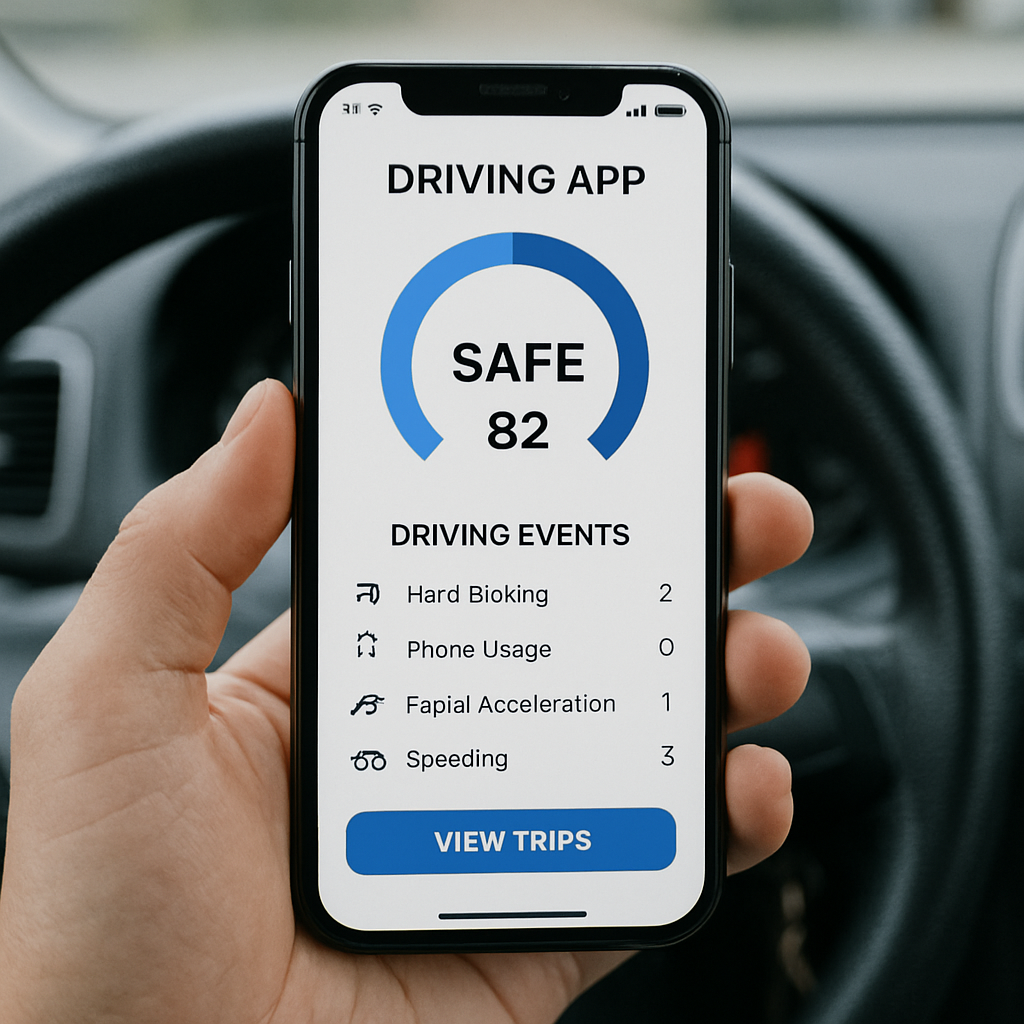
With your monthly costs stabilized, you can now look toward the longer-term goal: your 3-year roadmap back to standard insurance rates.
Your 3-Year Roadmap Back to Standard Insurance Rates and Lower Premiums
Realizing high-risk status is temporary changes your entire perspective. Whether you are recovering from a reckless driving conviction or fixing a coverage lapse, grasping the specific risk assessment factors for auto policies puts you back in the driver’s seat. You aren’t permanently stuck with high premiums; you are simply navigating a transition period that you can manage.
Keep your eyes on the finish line. Since you know how long traffic violations affect rates, typically three years, use this time to maintain perfect continuous coverage. Mark your calendar to compare quotes every six months to catch price drops immediately. By staying consistent, you are actively paving your road back to the affordable standard rates you deserve.
Do You Have Questions Regarding Your Insurance Needs?
Call us and let our knowledgeable team of award-winning insurance agents help. We provide a wide range of affordable insurance solutions for people from all walks of life. Whether you are seeking insurance for your home, auto, business, life, or health, our team of licensed insurance agents will help you find the best coverage for your specific needs at the best possible rates.