
Homeowners insurance should feel clear before you pick a policy.
We help you understand dwelling coverage, personal property, liability, deductibles, replacement cost, covered perils, endorsements, and how much coverage your home actually needs before you buy.
Call for a free home quote →What can homeowners insurance help cover?
A standard homeowners policy bundles several coverages together. Tap See details on any coverage to go deeper on what it protects, how the limit is set, and what to watch out for.
Dwelling Coverage A
Covers the physical structure of your home — walls, roof, floors, and built-in systems — usually up to a replacement-cost limit.
- House structure
- Attached garage
- Built-in systems
Other structures Coverage B
Covers detached structures such as a fence, shed, or detached garage — often set around 10% of your dwelling limit.
- Detached garage
- Fences and sheds
- Typically ~10% of dwelling
Personal property Coverage C
Covers your belongings — furniture, electronics, and clothing — usually up to a percentage of the dwelling limit, on and off the property.
- Furniture and electronics
- On and off premises
- Special limits on jewelry
Loss of use Coverage D
Helps pay extra living costs — like a hotel and meals — if a covered loss makes your home temporarily unlivable.
- Temporary housing
- Extra living costs
- Time or dollar limits
Liability & medical Coverages E & F
Covers legal liability if someone is injured on your property or you damage others’ property, plus limited guest medical payments.
- Personal liability
- Guest medical payments
- Legal defense costs
Not sure what fits? Guidance
A licensed agent can help you set the right coverage limits, choose a deductible, and add endorsements in plain language.
- No cost for guidance
- English and Spanish service
- Multiple carriers compared
A homeowners policy protects your home, your belongings, and you
Standard policies group coverage into your home and structures, your belongings and living costs, and liability protection. Exact limits, deductibles, covered perils, and endorsements vary by carrier, policy form, and state.
- Dwelling structure (Coverage A)
- Roof, walls, floors, and built-ins
- Detached structures (Coverage B)
- Fences, sheds, detached garage
- Usually rebuilt at replacement cost
Insure your home to its rebuild cost, not its market value. Detached structures are often capped around 10% of the dwelling limit.
- Personal property (Coverage C)
- Furniture, electronics, clothing
- On- and off-premises belongings
- Loss of use / extra living costs (Coverage D)
- Special limits on jewelry, cash, guns
Property can be covered at replacement cost or actual cash value. High-value items may need a scheduled endorsement.
- Personal liability (Coverage E)
- Injuries to guests on your property
- Damage you cause to others’ property
- Guest medical payments (Coverage F)
- Legal defense costs
Liability limits are commonly $100k–$500k. An umbrella policy can add liability protection above the homeowners limit.
Homeowners policy types compared
Use this overview as a general guide to how the common policy forms differ. Specific coverages, perils, limits, and endorsements must be confirmed in the official policy documents.
| Feature | HO-3 (Special) | HO-5 (Comprehensive) | HO-6 (Condo) | HO-4 (Renters) |
|---|---|---|---|---|
| Who it’s for | Most single-family homeowners | Homeowners wanting broader protection | Condo or co-op owners | Renters (tenants) |
| Structure covered | ✓ Dwelling and other structures | ✓ Dwelling and other structures | Interior/“walls-in” per the association bylaws | ✗ Building covered by the landlord |
| Personal property basis | Named perils (open perils optional) | ✓ Open perils on belongings | Named perils; open perils optional | Named perils on your belongings |
| Perils covered | Open perils on the structure; named on contents | ✓ Open perils on structure and contents | Depends on the form; confirm exclusions | Named perils (fire, theft, and more) |
| Liability & loss of use | Included | Included | Included | Included |
| Flood & earthquake | ✗ Separate policy needed | ✗ Separate policy needed | ✗ Separate policy needed | ✗ Separate policy needed |
| Important note | Confirm replacement-cost limits and endorsements | Broadest common form; typically higher premium | Coordinate with the condo master policy | Covers your belongings, not the building |
*For general educational purposes only. Premiums, coverages, limits, deductibles, covered perils, exclusions, endorsements, and eligibility vary by carrier, policy form, home, location, and state. Flood and earthquake generally require separate coverage. Review the policy documents before purchasing.
What kind of home coverage might fit?
Tap the situation that sounds closest to you. This is educational only, but it helps organize the questions an agent will ask before comparing options.
Start with an HO-3 and the right dwelling limit
For most single-family homeowners, an HO-3 is the common starting point. The most important step is setting the dwelling limit to your home’s rebuild cost.
- Estimate your home’s replacement cost.
- Set liability and personal property limits.
- Compare deductibles and available discounts.
How homeowners insurance usually works
Homeowners insurance is based on what it would cost to rebuild your home, not its market or purchase price. Square footage, construction type, age, and local rebuild costs all factor in.
Set your dwelling, other structures, personal property, and liability limits. Decide whether personal property should be covered at replacement cost or actual cash value, and whether high-value items need scheduling.
A higher deductible usually lowers your premium but raises your out-of-pocket cost per claim. In some areas, separate wind, hail, or hurricane deductibles apply and are worth reviewing closely.
The same home can be priced differently by each carrier. Compare coverage, deductibles, endorsements, discounts, and the carrier’s financial strength — not just the premium. An agent can line them up side by side.
Once you choose a policy, review the effective date, your mortgagee (lender) clause, endorsements, and any exclusions. If you have a mortgage, your lender usually requires proof of coverage before closing or renewal.
One call clears up the options
Our licensed agents help you estimate rebuild cost, set the right limits and deductible, and compare carriers so you understand the policy before you buy.
📞 Call 800-619-8959Information helpful to have ready
- ✓Home detailsSquare footage, year built, construction, and roof age.
- ✓Mortgage / lender infoSo the lender can be listed on the policy if required.
- ✓Prior claimsAny recent home insurance claims on the property.
- ✓Safety featuresAlarms, smoke detectors, and updates to roof, wiring, or plumbing.
Homeowners carriers and options vary by state
guidance at no cost
Homeowners insurance should feel clear before you buy
We shop multiple carriers
As an independent agency, we compare homeowners quotes across several carriers so you see real options instead of a single company’s pricing.
Right-sized coverage limits
We help you insure to rebuild cost — not market value — and set personal property and liability limits that actually match your home and household.
Deductible & peril clarity
We explain standard deductibles, separate wind/hail rules, and what a policy does and doesn’t cover — including when you may need flood or endorsements.
No cost for guidance
There is no fee for speaking with our licensed agents. Carrier compensation may apply if you purchase a policy through us — the guidance is always free.
Homeowners insurance resources
Use these as practical starting points before comparing homeowners policies with an agent.
What a standard homeowners policy covers
Review how dwelling, personal property, liability, and loss of use coverages work under a standard policy from the Insurance Information Institute.
Why flood is a separate policy
Standard homeowners policies exclude flood. Learn about flood risk and separate flood coverage through FloodSmart / the National Flood Insurance Program.
Our homeowners insurance articles
Explore Direct Insurance Solutions articles about homeowners insurance, coverage limits, deductibles, carriers, and protecting your home.
Common homeowners insurance questions
A standard homeowners policy typically covers your dwelling, other structures, personal property, loss of use (extra living costs), personal liability, and limited guest medical payments. Exact coverages, limits, and exclusions vary by policy form, carrier, and state.
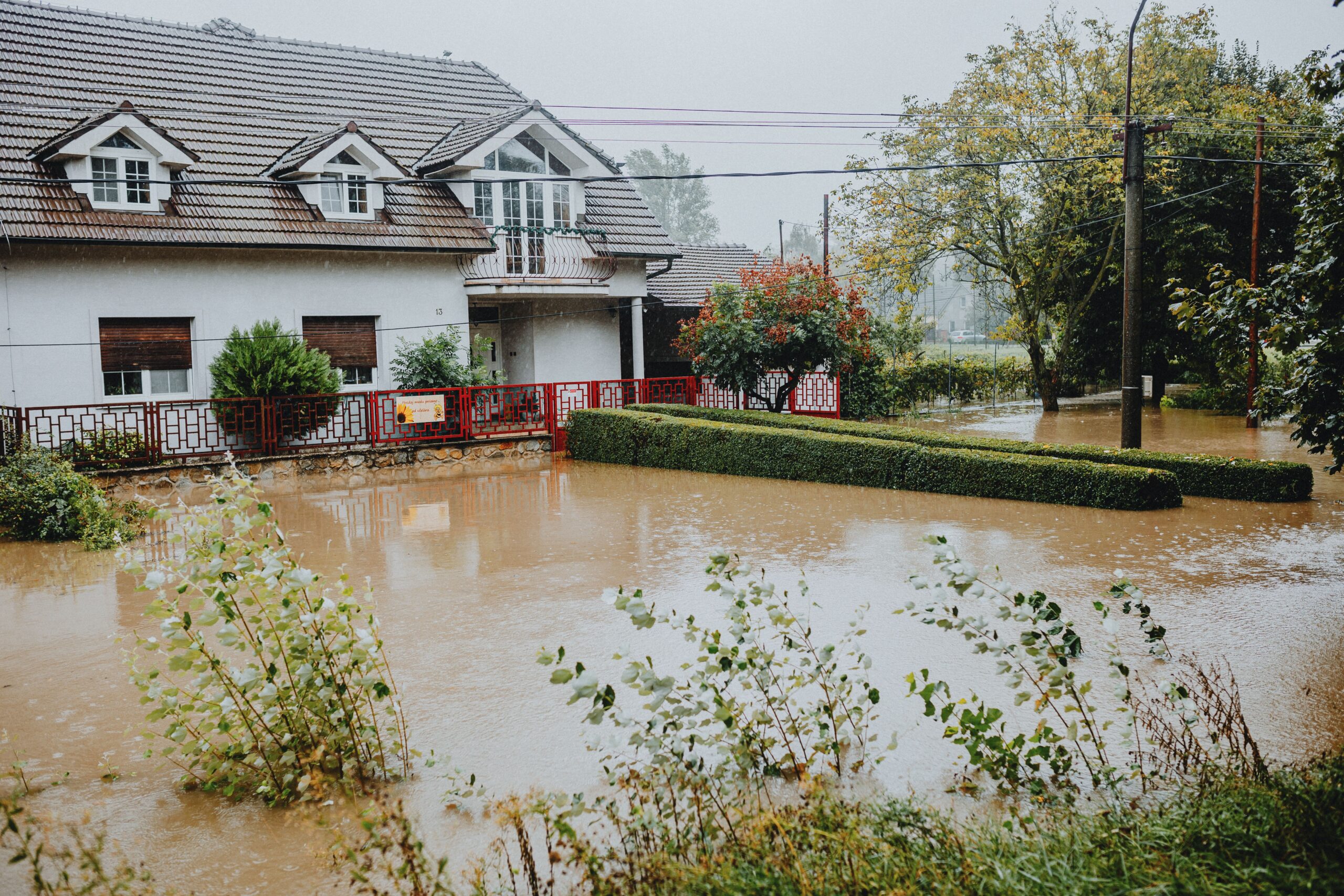
No. Standard homeowners policies generally exclude flood damage. Flood coverage is usually purchased separately through the National Flood Insurance Program (NFIP) or a private flood insurer. Earthquake is also typically excluded and requires separate coverage.
Replacement cost pays to repair or replace property with new items of similar kind and quality, without subtracting for depreciation. Actual cash value subtracts depreciation, so it usually pays less. Many policies cover the dwelling at replacement cost and let you choose the basis for personal property.
Dwelling coverage should reflect what it would cost to rebuild your home, not its market or purchase price. A rebuild-cost estimate considers square footage, construction type, and local building costs. Insuring to market value can leave you underinsured after a total loss.
The deductible is the amount you pay out of pocket on a covered claim before the policy pays. A higher deductible usually lowers your premium. In some regions, separate wind, hail, or hurricane deductibles apply and may be a percentage of the dwelling limit rather than a flat amount.
A sudden covered peril, such as storm damage, may be covered, but roof claims often depend on the roof’s age and condition, and some policies pay actual cash value rather than replacement cost on older roofs. Wear and tear and lack of maintenance are typically not covered.
Yes. Personal liability coverage can help if someone is injured on your property or you are responsible for damage to others’ property, up to your policy limit, and may include legal defense costs. Higher limits or a separate umbrella policy can add protection.
Personal property is often covered off-premises up to a portion of your Coverage C limit, subject to the policy terms. High-value items such as jewelry, watches, or collectibles may have special limits and can be scheduled for broader protection.
Yes. Many carriers offer a multi-policy discount when you bundle home and auto. Bundling can lower your total premium, but it is still worth comparing the combined cost and coverage against separate policies.
Without a mortgage, homeowners insurance is generally not legally required, but it is strongly recommended. Your home is likely your largest asset, and a policy protects against costly losses and liability claims you would otherwise pay out of pocket.
Loss of use (Coverage D) helps pay additional living expenses — such as temporary housing and meals — if a covered loss makes your home temporarily unlivable. Coverage is usually limited by a dollar amount or a period of time, so confirm the details in your policy.
Common ways include choosing a higher deductible, bundling home and auto, maintaining the roof and home systems, adding safety features, and comparing quotes across carriers. An agent can show which discounts you qualify for while keeping the coverage you need.
Ready to get help with homeowners insurance today?
Start with general home coverage guidance, compare available options, or call our team when you want help reviewing limits, deductibles, and policy details.
Call for a free quote →