
Why You Need Gap Insurance for Vehicles
Gap insurance is a crucial consideration for vehicle owners. It protects you financially if your car is totaled or stolen. Many people are unaware of its benefits. Understanding gap insurance can save you from unexpected expenses. When you buy a new car, its value drops quickly. This depreciation can leave you owing more than the car is worth. Gap insurance covers this difference. It ensures you are not left paying for a car you no longer have.
This type of insurance is not mandatory. However, it is often recommended for new car buyers. It can also be beneficial for used car purchases. Especially if the car has a high depreciation rate. Knowing how gap insurance works is essential. It can provide peace of mind and financial security. In this guide, we will explore why gap insurance is important. We will explain how it works and who should consider it.
What Is Gap Insurance?
Gap insurance, or Guaranteed Asset Protection, is a special type of auto insurance. It is designed to cover the gap between what you owe on your car and its current value. This is crucial if your vehicle is stolen or totaled.
Car depreciation happens fast, often as soon as you drive off the lot. Imagine you owe $20,000 on your car loan, but the car’s current value is only $15,000. If your car gets totaled, gap insurance steps in to cover that $5,000 difference.
Here’s a quick breakdown of what gap insurance does:
- Covers the loan amount minus your car’s market value.
- Ensures you don’t pay for a car you no longer have.
- Provides financial relief after a major loss.

Gap insurance is not part of standard auto insurance policies. It’s an optional add-on that addresses the depreciation issue. Typically, car buyers can purchase it from their insurance company, car dealer, or lender.
It’s important to note that gap insurance doesn’t cover everything. It doesn’t pay for vehicle repairs, maintenance, or the deductible on your primary policy. Understanding the limitations and benefits of gap insurance can help you make informed decisions about your insurance needs. It can be a game changer, especially when dealing with quick vehicle depreciation.
How Does Gap Insurance Work?
Gap insurance functions as a financial safety net. When a car is totaled or stolen, your standard auto insurance pays out the vehicle’s current market value. However, this amount often falls short of what you still owe on your loan or lease.
Consider an example: if your car is valued at $14,000 but the loan balance is $18,000, there’s a $4,000 shortfall. Here is where gap insurance plays its vital role. It bridges that financial gap, preventing you from out-of-pocket expenses.
Here’s a step-by-step of how the process unfolds:
- An accident occurs, resulting in a total loss.
- Your insurer assesses and provides the car’s market value.
- Gap insurance covers the loan difference after the payout.
- You avoid owing money for a nonexistent vehicle.

Understanding how gap insurance operates brings peace of mind. It frees you from debt should the unexpected happen. Don’t overlook its potential to save you from significant loss, especially with quickly depreciating vehicles.
Keep in mind, gap insurance is not automatic. It’s crucial to explore this option when you purchase your car. Adding it later is possible, but immediate coverage is recommended to ensure protection from day one.
What Does Gap Insurance Cover (and Not Cover)?
Gap insurance is designed to cover the financial difference if your car is declared a total loss. But what exactly does it include? Primarily, gap insurance covers the disparity between the actual cash value of your vehicle and the outstanding balance on your car loan or lease.
It kicks in when your vehicle is stolen or involved in an accident that leads to total loss. However, there are key limitations to remember. Gap insurance does not cover repairs, maintenance, or damage below the threshold of a total loss claim.
Here’s a brief overview of what gap insurance covers and doesn’t cover:
- Covers:
- Total loss from theft or accident
- Difference between insurance payout and loan balance
- Does Not Cover:
- Mechanical repairs or maintenance
- Depreciation not resulting in a total loss
- Partial damage claims
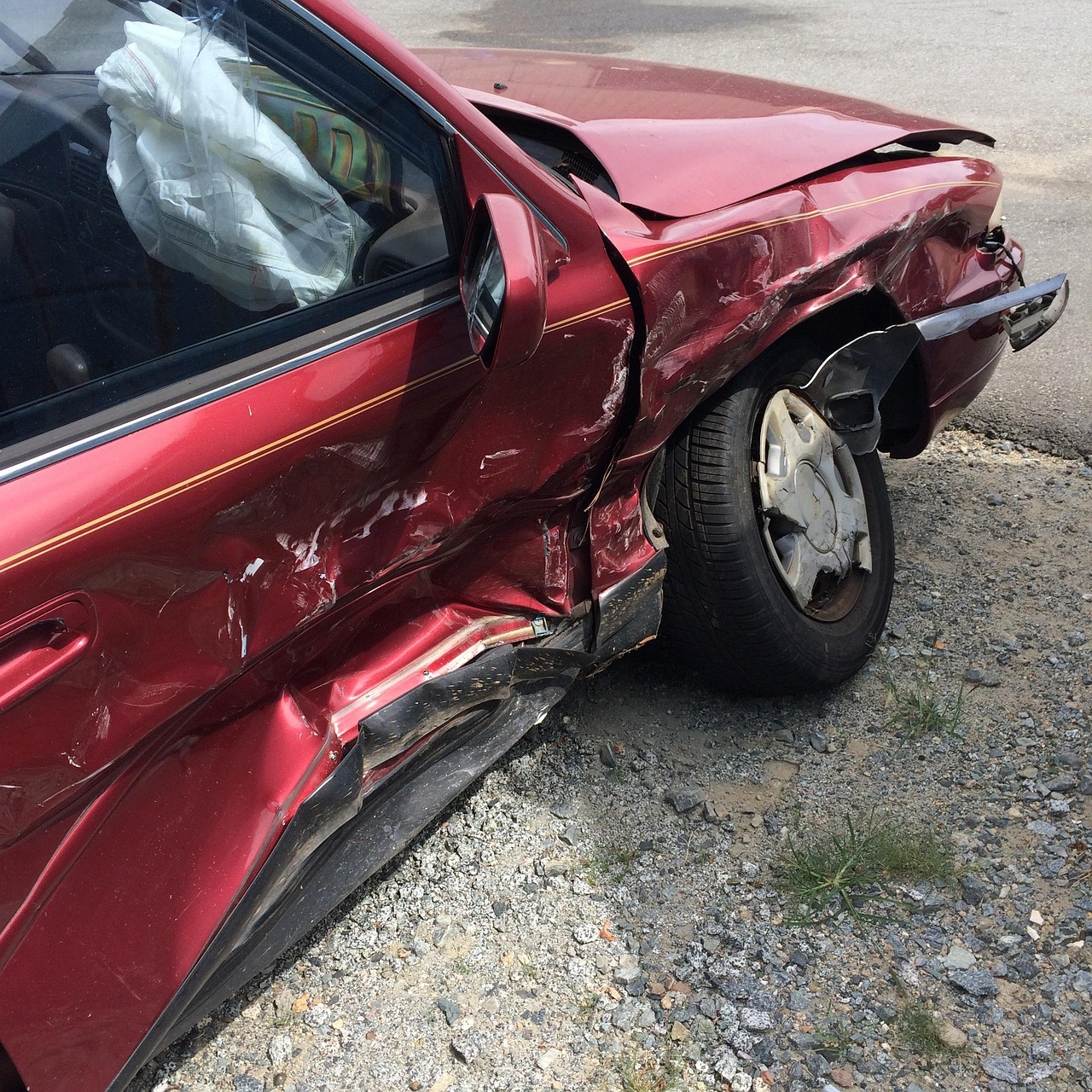
Understanding these boundaries helps you prepare for potential scenarios. While gap insurance offers protection for specific situations, regular auto insurance policies handle other aspects like repair costs. Ensure you’re clear on what is covered to avoid surprises. Properly weighing these factors can lead to more informed insurance decisions, securing better peace of mind for your vehicle investment.
Who Needs Gap Insurance?
Gap insurance isn’t for everyone, but it is crucial for certain situations. Let’s explore who might benefit the most from it. People who have financed or leased a vehicle often find gap insurance advantageous, especially if they made a small down payment.
Vehicles that depreciate quickly also highlight the need for gap insurance. Within the first few years, a car loses significant market value. In scenarios like these, a gap policy helps cover any remaining loan balance if your car is totaled.
Consider gap insurance if:
- You made a low down payment on a new car
- Your car depreciates rapidly
- You owe more on your loan than the car’s market value
Owners who have lengthy auto loans are at a higher risk of negative equity. This occurs when the loan balance exceeds the car’s worth. Gap insurance protects you from financial pitfalls if the unexpected happens.
Evaluating your financial commitments can determine whether gap insurance aligns with your needs. It’s a safeguard against unforeseen mishaps. Ultimately, thoughtful consideration of your car’s value and loan status helps clarify whether gap insurance is the right fit for you.
Gap Insurance for New vs. Used Cars
Gap insurance can be beneficial for both new and used cars. However, its necessity varies based on the vehicle’s age and depreciation rate. Let’s dive into the differences.
New cars are notorious for rapid depreciation. From the moment a new vehicle is driven off the lot, it loses value. This quick loss can put owners in a situation where they owe more than the car’s worth. Here, gap insurance becomes a financial shield.
For used cars, the situation isn’t as straightforward. While they depreciate, the rate is often slower than new vehicles. Yet, if you buy a used car with a loan that exceeds its value, gap insurance can be prudent.
Factors to consider when choosing gap insurance for new vs. used cars include:
- Rate of depreciation
- Loan balance vs. car value
- Down payment made
Understanding these factors helps in deciding between gap insurance for new or used vehicles. Potential buyers should assess their financial situation to find the best coverage.

In summary, whether new or used, gap insurance offers vital protection depending on financial risk. Each type of vehicle presents unique considerations for gap insurance.
Is Gap Insurance Required? When Is It a Good Idea?
Gap insurance is not legally required. However, some lenders may mandate it for leased vehicles. This is to protect their investment if the car is totaled.
Beyond leasing, gap insurance can be a wise choice in certain scenarios. If you’ve made a small down payment on a vehicle, you might owe more than it’s worth. A similar situation arises when financing vehicles with high depreciation rates.
Consider gap insurance if:
- You owe more on your loan than the car’s value.
- Your car loan term is longer, which amplifies depreciation risk.
- You are leasing a vehicle, and the lender requires it.
Even when not required, gap insurance can be beneficial. It helps avoid financial strain if an unforeseen accident occurs. Weigh your car’s depreciation rate, loan terms, and financial comfort to determine the need for gap insurance. This informed decision can lead to peace of mind.
How to Get Gap Insurance: Options and Providers
Obtaining gap insurance is straightforward and can be done through various channels. Your options include car dealerships, insurance providers, and loan institutions. Each offers different terms, so it’s vital to compare.
Car dealerships often offer gap insurance at the point of sale. While convenient, their rates can be higher. To find a better deal, consider shopping around.
Insurance companies provide gap coverage as part of an existing auto insurance policy or separately. This option often offers more competitive pricing. It also allows for customization based on your specific needs.
Financing institutions might include gap insurance in your loan package. However, their offerings may not be the best value. It’s wise to evaluate all options and pick the most advantageous.
Ways to obtain gap insurance:
- Through a car dealership, though often pricier.
- As an add-on from an insurance company.
- Included in a car loan package from lenders.

Research, ask questions, and don’t rush. Understanding your coverage and cost helps ensure you make the best choice.
How Much Does Gap Insurance Cost?
The cost of gap insurance varies based on several factors. These include your car’s value, loan amount, and chosen provider. On average, gap insurance is relatively affordable.
When purchased through an insurance company, the price can range from $20 to $40 annually. This rate makes it a cost-effective way to protect your investment. In contrast, buying from a car dealer might be more expensive.
Cost considerations for gap insurance:
- Provider: Prices differ between insurance companies and dealerships.
- Car’s value: Higher-value cars may lead to higher rates.
- Loan amount: The loan balance influences the cost as well.
Remember, while cost is important, it shouldn’t be the sole deciding factor. Evaluating the coverage’s comprehensiveness is equally essential. Be sure to weigh all aspects to ensure you select the best option for your situation.
How to Decide If You Need Gap Insurance
Deciding whether to purchase gap insurance depends on your unique situation. It’s crucial to assess your car’s depreciation rate and loan terms. A fast-depreciating vehicle can benefit significantly from gap coverage.
Consider how much you still owe on your vehicle compared to its market value. If your loan balance exceeds the car’s value, gap insurance is a wise investment. This will help you avoid out-of-pocket costs if your car is totaled.
Things to consider when evaluating the need for gap insurance:
- Vehicle depreciation rate: Newer cars typically lose value faster.
- Loan terms: Longer-term loans often leave you with negative equity.
- Down payment size: Smaller down payments may require gap coverage.
Being informed about these factors can guide you in choosing the right protection. Don’t forget to consider your financial stability and risk tolerance. These considerations will help you make the best decision for your auto insurance needs.
Frequently Asked Questions About Gap Insurance
Gap insurance can be perplexing, but understanding it doesn’t have to be. Here are answers to common questions. These will help clarify how gap insurance works and its benefits.
Can you get gap insurance on a used car? Yes, gap insurance is not limited to new vehicles. Many providers offer gap insurance on used cars, given that specific conditions are met.
How does gap insurance work if a car is totaled? It covers the difference between your car’s actual cash value and the outstanding loan or lease balance. This ensures you’re not financially burdened with a loan for a car you can’t drive.
Does gap insurance help you get a new car? While gap insurance doesn’t help purchase a new car, it can relieve financial stress. By covering the difference on your totaled vehicle, it gives you a fresh financial start.
Here’s a quick list of other common queries:
- Is gap insurance required by law?
- How long does it last?
- Can I cancel it if not needed?
Seeking answers to these questions can aid in making an informed decision. Always consult with your insurance provider for specific advice and details about your policy.
Key Takeaways: Gap Insurance at a Glance
Gap insurance is an essential part of protecting your financial interests. It offers crucial coverage if your car is totaled while still under a loan or lease. Understanding its benefits can save you from unexpected costs.
Here’s a brief summary of what you should remember:
- Covers difference between car’s cash value and loan.
- Essential for high-depreciation vehicles.
- Useful for cars bought with small down payments.
- Purchase from dealers or insurance providers.
- Affordable and varies by provider.
By keeping these points in mind, you’re better equipped to evaluate if gap insurance suits your needs.
Do You Have Questions Regarding Your Insurance Needs?
Call us and let our knowledgeable team of award-winning insurance agents help. We provide a wide range of affordable insurance solutions for people from all walks of life. Whether you are seeking insurance for your home, auto, business, life, or health, our team of licensed insurance agents will help you find the best coverage for your specific needs at the best possible rates.